




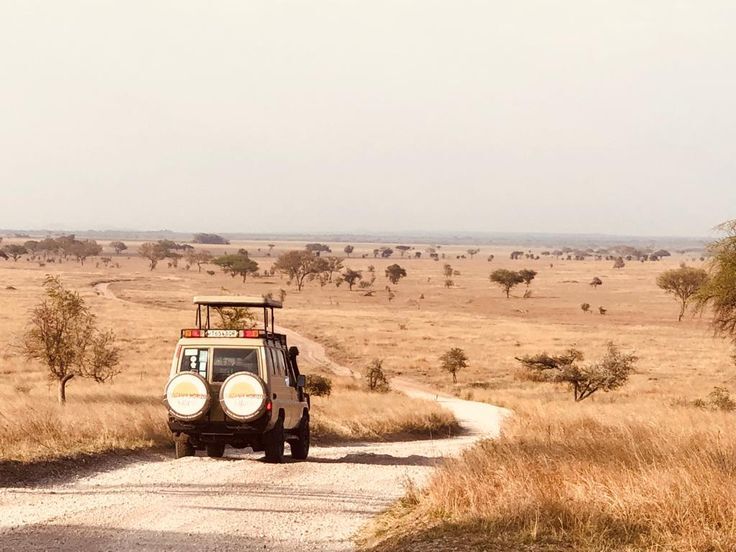
Dry Vs Rainy Season Safari Packing Guide For Kenya
This Safari Packing Guide explains what to pack for a Kenya safari during the dry and rainy seasons. Learn what to wear, which essentials to carry, how to prepare for changing weather and what you can leave at home.
Your packing list does not need to be completely different for every season. However, the weather can affect the clothing, footwear, rain protection, insect protection and other items you will find useful during your trip.
This Dry and Rainy Season Safari Packing guide explains what to pack for each season, what you should carry regardless of when you travel, and how to prepare for changing conditions.
Kenya’s parks and reserves experience different climates depending on location and altitude. KWS notes that many parks have warm-to-hot days and cooler-to-cold nights, while the coast, central highlands, north and east can have quite different conditions.
Whether you are planning a Maasai Mara safari, Amboseli safari, Tsavo safari, Samburu safari or a multi-destination Kenya safari, the right preparation can make your trip much more comfortable.
Safari Packing Guide Dry Season Vs Rainy Season in Kenya
Before using this safari packing guide, it helps to understand the basic difference between the two periods.
Kenya does not have exactly the same weather everywhere. Rainfall patterns vary by region, and you can sometimes experience changing conditions even during a generally dry period.
KWS describes April to June as a period when long rains are experienced in many parks, while it identifies periods such as July–December and December–March among the higher-demand wildlife-viewing seasons.
For packing purposes, think about the conditions you are most likely to encounter rather than relying only on a calendar
For official visitor guidance and safari preparation information, check the Kenya Wildlife Service website https://kws.go.ke/
Dry-Season Conditions
You can generally prepare for:
- Sunny days
- Warm or hot afternoons
- Cooler early mornings
- Cooler evenings
- Dusty roads in some areas
- Strong sunshine
- Dry vegetation in many safari areas
Rainy or Green-Season conditions
You should be prepared for:
- Rain showers
- Wet roads
- Muddy conditions in some areas
- More humid conditions in some destinations
- Cooler periods during or after rain
- Mosquitoes and other insects
- Rapid weather changes
This is why layering and adaptable clothing are more useful than packing completely different wardrobes.
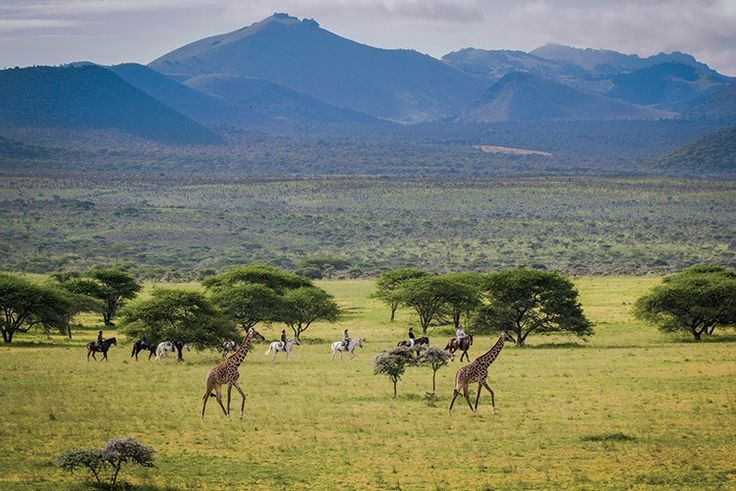
Dry-Season Safari Packing Guide
Dry-season safaris can be warm and sunny, but early-morning game drives may still feel surprisingly cool.
The key is to pack light clothing plus one or two warmer layers.
- Lightweight Shirts and T-Shirts
Pack comfortable, breathable shirts and T-shirts for daytime game drives.
Choose materials that allow you to stay comfortable when temperatures rise.
Long-sleeved shirts are particularly useful because they provide additional protection from the sun and insects.
2. Lightweight Trousers
Comfortable trousers are ideal for safari.
Choose lightweight options that allow you to move easily and remain comfortable while sitting in a safari vehicle for several hours.
Neutral or earth-toned colors such as beige, khaki, olive and brown are practical choices.
KWS recommends loose-fitting trousers and shirts/T-shirts as part of its safari clothing guidance.
3. A light Jacket or Fleece
Don’t make the mistake of packing only summer clothing.
Early-morning game drives can be cool, particularly in higher-altitude destinations.
A lightweight fleece, sweater or jacket can make the beginning of your game drive much more comfortable.
You can remove it later when the day becomes warmer.
4. Sun Hat
A good hat is one of the most useful items on safari.
Choose one that provides enough coverage for your face and neck.
KWS specifically recommends a hat and sunglasses for visitors.
5. Sunglasses
Strong sunlight can make long game drives uncomfortable.
A quality pair of sunglasses can protect your eyes and make wildlife viewing more comfortable.
6. Sunscreen
Pack sunscreen and apply it regularly, especially when spending several hours outdoors.
It is easy to underestimate sun exposure when you are sitting inside a safari vehicle.
7. Comfortable Walking Shoes
Even if most of your wildlife viewing takes place from a vehicle, comfortable shoes are important.
You may use them at your lodge, camp or during permitted walking activities.
KWS recommends lace-up shoes for safari visitors.
Rainy-Season Safari Packing Guide
The rainy season does not mean that you should expect rain all day.
You may experience sunshine followed by a short shower, or wet conditions during part of a game drive.
The key is to prepare for rain without overpacking.
- Lightweight Water Proof Jacket
A lightweight waterproof or water-resistant jacket is one of the most useful additions to your rainy-season packing list.
Choose something that can be folded easily and kept in your day bag.
2. Quick Drying Clothes
Quick-drying clothing can be very useful during rainy periods.
If your clothes become damp after a shower, they can dry more quickly than heavy cotton garments.
3. Waterproof Bag or Dry Bag
Protect important items such as:
- Phone
- Camera
- Passport
- Power bank
- Travel documents
- Extra batteries
A waterproof pouch or small dry bag can provide additional protection.
4. Waterproof or Water Resistant FootWear
Wet conditions can make some safari areas muddy.
Water-resistant shoes or boots can be useful if your itinerary includes walking activities or destinations where you are likely to encounter wet ground.
For normal vehicle-based game drives, however, you do not necessarily need heavy hiking boots.
5. Extra Socks
Rain can leave your shoes and socks damp.
Carrying an extra pair of socks in your day bag gives you a simple backup if conditions become wet.
Compact Umbrella
A small travel umbrella can be useful in towns and at accommodation facilities.
However, don’t rely on an umbrella as your main safari rain protection. A lightweight waterproof jacket is generally easier to use while moving between vehicles, camps and lodges.
What to Pack For Both Dry and Rainy Seasons
Some items belong on every Kenya safari packing list, regardless of the season.
Essential Safari Packing Checklist
The following items should be included in your Safari Packing Guide regardless of the season.
Clothing
- Lightweight trousers
- Comfortable T-shirts
- Long-sleeved shirts
- Light sweater or fleece
- Lightweight jacket
- Underwear
- Comfortable sleepwear
- Socks
- Comfortable shoes
- Sandals or casual footwear
Sun Protection
- Sunglasses
- Sun hat
- Sunscreen
- Lip balm with sun protection
- Lightweight long-sleeved clothing
Safari Equipment
- Binoculars
- Camera
- Extra batteries
- Memory cards
- Phone
- Power bank
- Charging cables
KWS also recommends binoculars, a camera, sunscreen, insect repellent and a small first-aid kit among useful safari items.
Personal Items
- Toothbrush and toothpaste
- Personal toiletries
- Hand sanitizer
- Insect repellent
- Prescription or personal medication
- Small first-aid kit
- Reusable water bottle
- Travel documents
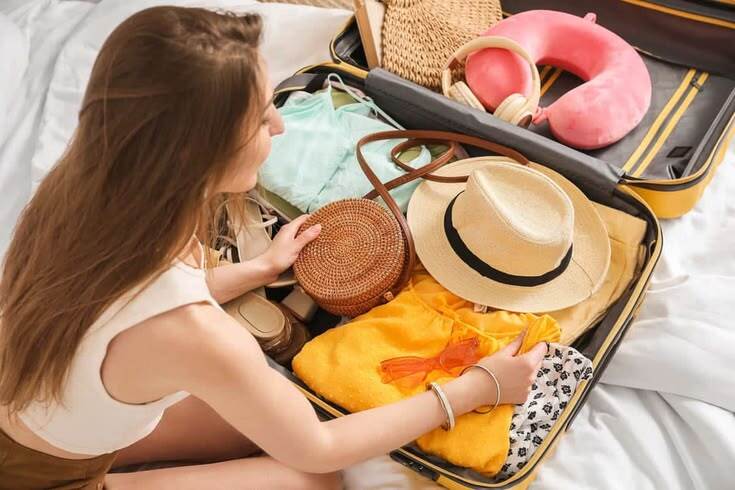
What Colors Should You Wear on a Kenya Safari?
Your safari clothing does not need to be expensive or specially designed for safari.
Practical colors include:
- Khaki
- Beige
- Brown
- Olive
- Grey
- Other neutral tones
These colors are practical in the safari environment and tend to hide dust better than very light clothing.
KWS recommends natural, earth-toned or khaki-colored clothing for visitors.
You don’t need to buy an entirely new wardrobe before your trip.
Comfort matters more than having a perfect safari outfit.
What Should You Wear on Early Morning Game Drives?
This is one of the most important things first-time safari travelers should understand.
Even when the afternoon becomes hot, the morning can feel cool.
A good combination is:
T-shirt + long-sleeved shirt + fleece/light jacket + comfortable trousers
As temperatures rise, you can remove the extra layers.
This approach works particularly well because you can adjust your clothing throughout the day.
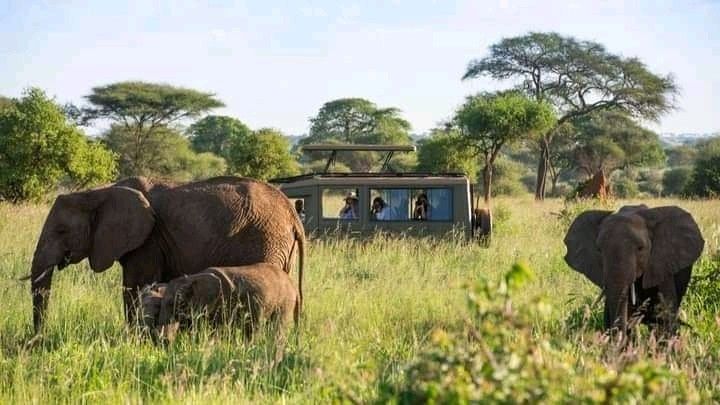
Rainy Season Safari Packing What About Mud?
If you are traveling during a rainy period, don’t assume that every safari road will be flooded or impassable.
Conditions vary significantly between parks and even between different parts of the same park.
However, rain can affect road conditions. KWS notes that during the long rains, some park roads may require four-wheel-drive vehicles.
This is another reason to travel with an experienced safari operator who understands local road and weather conditions.
Should You Pack Insect Repellent?
Yes.
Insect repellent is a useful item to include regardless of season.
It can be particularly useful around accommodation areas and in destinations where mosquitoes and other insects are more common.
KWS lists insect repellent among the recommended safari items.
What About Binoculars?
Binoculars are highly recommended if you enjoy wildlife and birdwatching.
Not every animal will be close to the vehicle, and binoculars can help you observe birds and wildlife without disturbing them.
KWS specifically recommends binoculars for visitors.
If you are serious about photography, you may also want to bring:
- Camera
- Telephoto lens
- Extra batteries
- Extra memory cards
- Lens cleaning cloth
- Camera rain cover
Safari Packing For Different Kenya Destinations
Your destination can also influence what you pack.
Maasai Mara
For a Maasai Mara safari, pack lightweight clothing, a warm layer for early mornings, sun protection, comfortable shoes and rain protection if traveling during wetter periods.
https://fairideadventures.co.ke/maasai-mara-safari-packages/
Amboseli
Amboseli can be warm during the day, while mornings can be cooler.
Sun protection is especially useful because you may spend long periods outdoors during game drives.
KWS highlights Amboseli’s wildlife, open landscapes and Mount Kilimanjaro views, and its visitor guidance includes items such as sunscreen, insect repellent, binoculars and a first-aid kit.
Explore our Amboseli Safari Packages https://fairideadventures.co.ke/amboseli-safari-packages/
Tsavo East and Tsavo West
Tsavo’s landscapes and conditions can differ from the highlands, so lightweight clothing, sun protection and comfortable footwear are important.
If traveling during wetter conditions, include a lightweight rain jacket and protection for your electronics.
Maasai Mara Vs Tsavo https://fairideadventures.co.ke/maasai-mara-vs-tsavo/
Samburu
Samburu is known for its northern Kenya environment, so breathable clothing, sun protection, a hat and plenty of drinking water are useful.
For early mornings and evenings, carry a light layer that you can add when temperatures are cooler.
View our Samburu Safari Packages https://fairideadventures.co.ke/samburu-safari-packages/
Lake Nakuru
Lake Nakuru can have cooler conditions than some lower-altitude safari destinations.
A light fleece or jacket is therefore useful, especially for early-morning game drives.
Explore our Lake Nakuru Safari Packages https://fairideadventures.co.ke/lake-nakuru-safari-packages/
What Not to Overpack for a Kenya Safari
You don’t need to take your entire wardrobe.
Avoid packing:
- Too many pairs of shoes
- Heavy formal clothing
- Excessive amounts of denim
- Large amounts of unnecessary toiletries
- Multiple bulky jackets
- Items you will only use once
Instead, focus on lightweight, versatile clothing that you can layer.
KWS also recommends adaptable clothing because safari conditions can change throughout the day.
How Much Luggage Should You Take On Safari
Your luggage allowance depends on how you are traveling.
This is particularly important when your safari includes domestic flights to remote destinations because airlines and aircraft may have stricter baggage limits than international flights.
Before traveling, confirm the baggage allowance for your specific flights and itinerary.
If your safari involves road travel, you may have more flexibility, but compact luggage is still easier to manage.
A soft-sided travel bag can also be more practical than a large hard-shell suitcase on some safari itineraries.
Tip: Always confirm the current baggage allowance with your airline or safari operator before departure.
What Should be In Your Safari Day Bag
You don’t need to carry your entire suitcase into the safari vehicle.
Keep a small day bag with:
- Camera
- Binoculars
- Sunglasses
- Sunscreen
- Hat
- Water
- Phone
- Power bank
- Insect repellent
- Light jacket
- Rain jacket during wet weather
- Small personal essentials
This makes it much easier to access what you need during a game drive.
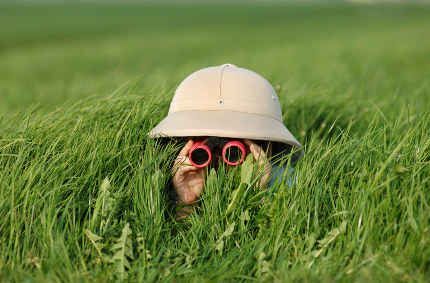
The Best Safari Packing Strategy: Dress in Layers
If there is one packing principle to remember, it is this:
Pack layers, not just seasons.
A Kenya safari can start with a cool morning, become warm by midday and become cooler again in the evening.
Instead of packing completely different wardrobes for different times of day, choose clothing that you can add or remove.
For example:
Morning:
T-shirt + long-sleeved shirt + fleece
Midday:
T-shirt + lightweight trousers
Evening:
Long-sleeved shirt + fleece or light jacket
This approach keeps your luggage lighter while making it easier to adapt to changing weather.
Should You Pack Differently for a Luxury Safari?
Not necessarily.
Luxury accommodation may provide additional amenities, but you still need practical safari clothing.
You can add a few smarter outfits for dinners or lodge areas if you prefer, but your game-drive clothing should remain comfortable and practical.
KWS notes that accommodation options range from luxury lodges and tented camps to budget campsites, so your packing should primarily reflect the activities and environment rather than the accommodation category.
Luxury Kenya Safari Packages https://fairideadventures.co.ke/luxury-kenya-safari-packages/
Should You Pack Differently for a Family Safari?
Families can use this Safari Packing Guide as a starting point
For children, consider packing:
- Comfortable clothing
- Extra changes of clothes
- Sun hats
- Sunscreen
- Comfortable shoes
- Rain jackets during wetter periods
- Personal snacks where appropriate
- Entertainment for longer transfers
View our Family Kenya Safari Packages https://fairideadventures.co.ke/family-kenya-safari-packages/
What to Pack for a Kenya Safari and Beach Holiday
If your trip combines a safari with Diani Beach or another coastal destination, you’ll need both safari clothing and beachwear.
Pack:
For the Safari
- Neutral-colored clothing
- Long trousers
- Long-sleeved shirts
- Fleece or light jacket
- Comfortable shoes
- Hat
- Sunglasses
- Binoculars
For the Beach
- Swimwear
- Beach sandals
- Lightweight beach clothing
- Sun protection
- Light evening clothing
This allows you to transition easily from wildlife viewing to relaxing on the Kenyan coast.
Kenya Safari and Beach Packages https://fairideadventures.co.ke/kenya-safari-and-beach-packages/

Common Safari Packing Mistakes to Avoid
Packing only for hot weather
Don’t assume Kenya is hot everywhere and at every time of day.
Early mornings and evenings can be cool, especially in higher-altitude destinations.
Taking too many clothes
You don’t need a new outfit for every game drive.
Choose versatile pieces that can be mixed and matched.
Forgetting rain protection
Even if the forecast looks favorable, a lightweight rain jacket takes up little space and can be extremely useful.
Bringing only heavy shoes
Comfortable lightweight shoes are usually more practical for most safari itineraries than multiple pairs of heavy boots.
Forgetting sun protection
Long game drives can expose you to the sun for several hours.
A hat, sunglasses and sunscreen should remain accessible.
Ready For Your Kenya Safari?
The right packing list can make your safari more comfortable, but your itinerary, destination and travel dates should also influence what you bring.
Use this Safari Packing Guide to prepare for changing conditions.
Whether you’re traveling during a dry period or a rainy season, the best approach is to pack lightweight clothing, dress in layers and prepare for changing conditions.
If you are still deciding where to go, explore our Kenya Safari Packages https://fairideadventures.co.ke/kenya-safari-packages/ and choose an itinerary that matches your available time, interests and budget.
Internal link: [Kenya Safari Packages]
Planning a short trip from Nairobi? You can also explore our guide to Short Kenya Safaris from Nairobi https://fairideadventures.co.ke/short-kenya-safaris-from-nairobi/
For a customized safari itinerary, accommodation and transport arrangements, contact Fairide Adventures and let us help you plan your Kenya safari.
Contact Fairide Adventures https://fairideadventures.co.ke/contact/
FAQ: Kenya Safari Packing
- What should I wear on safari in Kenya?
Wear comfortable, lightweight clothing in neutral or earth-toned colors. Long trousers and long-sleeved shirts are practical, while a light jacket or fleece is useful for cooler mornings and evenings.
2. Do I need a rain jacket for a Kenya safari?
It is a good idea to carry a lightweight rain jacket, particularly if you are traveling during a wetter period. It takes up little space and can protect you during unexpected showers.
3. Are safari boots necessary?
Not for every safari. Comfortable shoes are usually sufficient for vehicle-based game drives. More supportive or water-resistant footwear can be useful if your itinerary includes walking activities or wet conditions.
3. What should I pack for a dry-season safari?
Focus on lightweight breathable clothing, a warm layer for early mornings, sun protection, comfortable shoes, binoculars, insect repellent and a camera. A light rain jacket is still useful as a backup.
4. What should I pack for a rainy-season safari?
Include everything you would normally take on safari, plus a lightweight waterproof jacket, extra socks, water-resistant footwear if appropriate, quick-drying clothing and protection for electronics.
5. What colors are best for safari?
Neutral and earth-toned colors such as khaki, beige, olive and brown are practical choices. KWS specifically recommends natural, earth-toned or khaki colors.
6. Can I wear jeans on safari?
You can, but lightweight trousers are generally more comfortable, especially during warm weather and long game drives.
7. Should I take binoculars?
Yes. Binoculars are particularly useful for viewing birds and wildlife that are farther away. KWS includes binoculars among its recommended safari items.

